
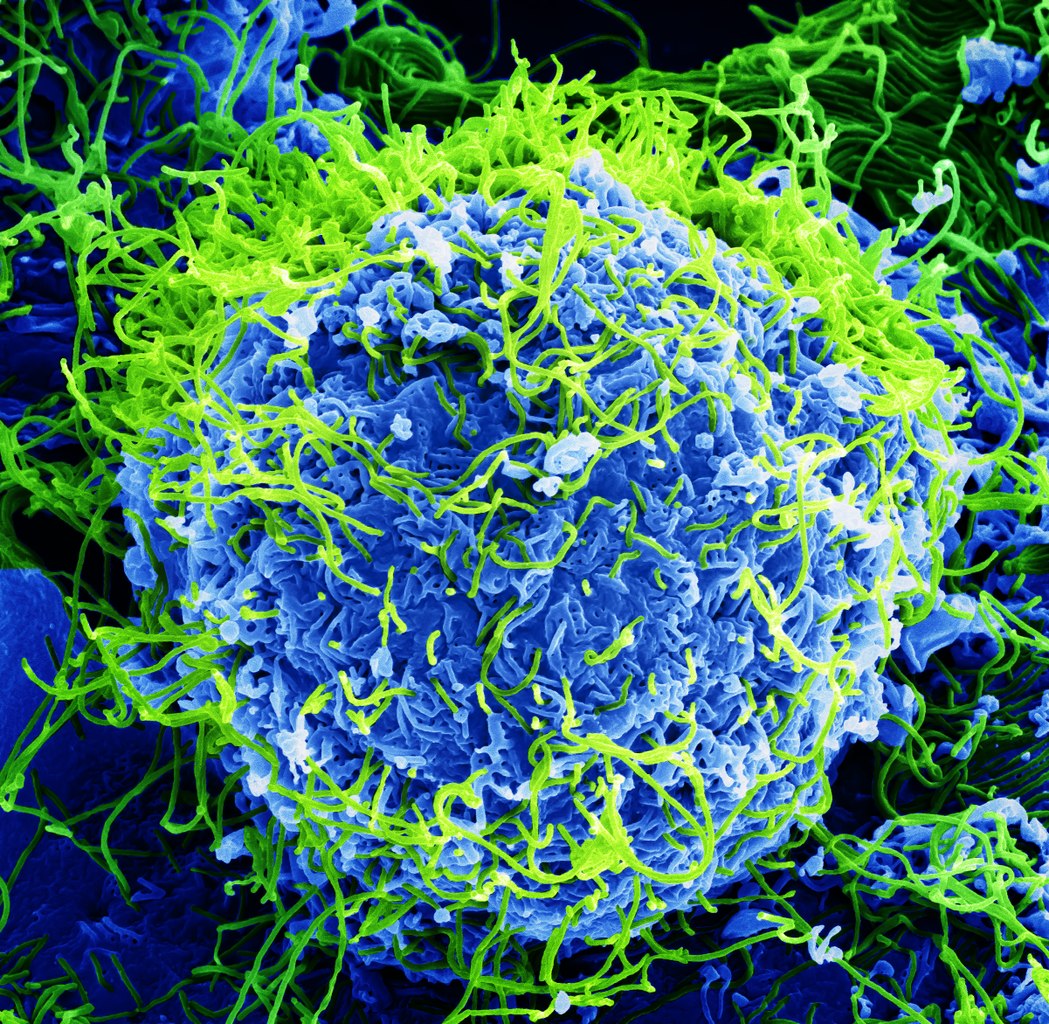
When Ebola swept across West Africa last August, it ultimately caused over 11,100 deaths in the short time-span of two months.
It took eight months after the first Ebola case for the WHO to declare an international public health emergency (in August of last year)–delaying much needed resources for the critically ill.
Jerome Mouton, Medecins Sans Frontières (MSF) country head for Guinea, described a state of “semi-denial” about the virus similar to a year ago, adding that another major flare-up of the disease was possible. (Ref. Emma Farge Reuters)
“A month ago I thought we would see the end shortly but I am much less optimistic now,” Mouton said. (Ibid)
The virus has rapidly spread to new districts in Guinea that were previously freed of the virus.
In the United States, there seems to be a lack of situational awareness when it comes to screening potential carriers of the virus. Presently, U.S. authorities rely on the potential human vectors themselves to verify if they have been exposed to Ebola.
Since the world is connected by a vast array of interconnected airline routes, it seems that the government of the U.S. should have a real-time team monitoring all people coming in contact within specific geographic loci and the human vectors that transverse them.
After all, if the N.S.A. can monitor every telephone conversation in the U.S., they certainly can monitor potential Ebola carriers before they enter our country.